
$76.00
Add to Cart
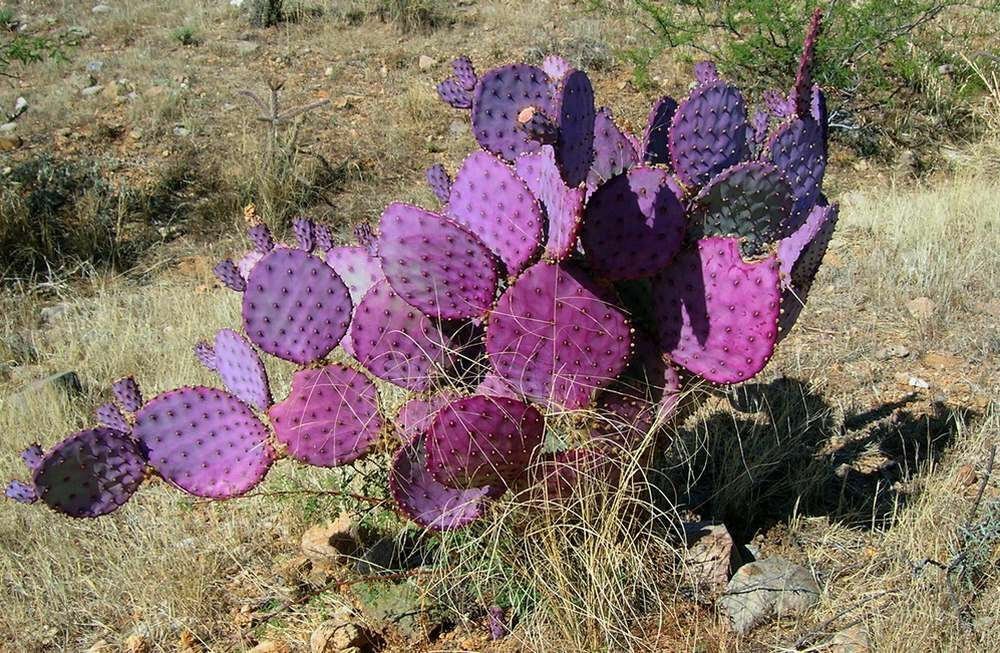
1 Cutting, Cactus Pad, Purple Santa Rita, Opuntia chlorotica gosseliniana
More than 10 available
Details
Shipping: US-Mainland: free (more destinations)
Condition: Brand new
Returns: 7 days, buyer pays return shipping (more)


1 Cutting
Opuntia megacantha
This plant bears sweet orange fruit, large green pads that are almost bald, it's common name is Nopal Picochulo or Apastillada, Naranjona, Naranjota.
We imported these plants from Teotihuacan Mexico near the pyramid of the sun, the farmers who produce prickly pears and cactus pads were nice enough to send us some very nice specimens, we also learned how to prune and grow them; There are several uses, for example production of fruit or pads for consumption, propagation of plants or ornamental gardening as well.
Pruning and shaping these plants can be done in many different ways: you can trim for quality of fruit, pad production, ornamental and aesthetic value or to fit in a specific area of any given landscape.
These plants can grow with little care and prefer poor soil, pesticides and fertilizers are simply not needed, they can live with very little water but if you water them often they will grow much faster and produce more fruit.
1 Cutting
This cactus changes from green to purple depending on the season.
Opuntia chlorotica gosseliniana is a variety of O. chlorotica. It is native to Mexico, and it barely reaches into the United States in far southern Arizona on land of the Tohono O’odham Nation. Plants may reach 3-ft tall (usually smaller), and are almost always tinted with pink or purple. The plants are smaller than those of vars chlorotica and santa-rita, and they have smaller, relatively slender fruit. This variety may have spines in all areoles, only in upper areoles, or in none at all. The slender spines vary from relatively short and stiff to long and flexible. Additionally, the spine color varies from cream to bright yellow and through shades of orange- and reddish-brown to nearly black.” Garden cultivar, ‘Tubac’, may be be a selection of O. chlorotica gosseliniana. Like O. chlorotica chlorotica, O. chlorotica gosseliniana has needle-like spines on older trunks and branches. Unlike O. chlorotica chlorotica, O.chlorotica gosseliniana can form multiple ascending branches.
Opuntia megacantha
This plant bears sweet orange fruit, large green pads that are almost bald, it's common name is Nopal Picochulo or Apastillada, Naranjona, Naranjota.
We imported these plants from Teotihuacan Mexico near the pyramid of the sun, the farmers who produce prickly pears and cactus pads were nice enough to send us some very nice specimens, we also learned how to prune and grow them; There are several uses, for example production of fruit or pads for consumption, propagation of plants or ornamental gardening as well.
Pruning and shaping these plants can be done in many different ways: you can trim for quality of fruit, pad production, ornamental and aesthetic value or to fit in a specific area of any given landscape.
These plants can grow with little care and prefer poor soil, pesticides and fertilizers are simply not needed, they can live with very little water but if you water them often they will grow much faster and produce more fruit.
1 Cutting
This cactus changes from green to purple depending on the season.
Opuntia chlorotica gosseliniana is a variety of O. chlorotica. It is native to Mexico, and it barely reaches into the United States in far southern Arizona on land of the Tohono O’odham Nation. Plants may reach 3-ft tall (usually smaller), and are almost always tinted with pink or purple. The plants are smaller than those of vars chlorotica and santa-rita, and they have smaller, relatively slender fruit. This variety may have spines in all areoles, only in upper areoles, or in none at all. The slender spines vary from relatively short and stiff to long and flexible. Additionally, the spine color varies from cream to bright yellow and through shades of orange- and reddish-brown to nearly black.” Garden cultivar, ‘Tubac’, may be be a selection of O. chlorotica gosseliniana. Like O. chlorotica chlorotica, O. chlorotica gosseliniana has needle-like spines on older trunks and branches. Unlike O. chlorotica chlorotica, O.chlorotica gosseliniana can form multiple ascending branches.


 ID, Aceh